NPRCC Supports MBDA Programs, Urges Accessible Data Collection for Puerto Rican & Hispanic Businesses

The National Puerto Rican Chamber of Commerce (NPRCC) has submitted comments to the U.S. Department of Commerce’s Minority Business Development Agency (MBDA) on the performance data collections for its Capital Readiness Program and Business Center Program (OMB Control Number 0640-0025).

Both programs provide technical assistance and capital access to minority-owned businesses, including Puerto Rican and Hispanic-owned firms in Puerto Rico, Florida, Pennsylvania, New Jersey, New York, and Illinois. NPRCC supports continuing both programs and the collections that measure their results.

In its comments, NPRCC recommended that MBDA:

  • Report program results for Puerto Rico and other territories as separate line items, using territory-appropriate fields such as municipio

  • Offer Spanish-language client forms and instructions, and account for that time in burden estimates

  • Define capital-access and job outcomes consistently across both programs and allow longer-term results to be recorded

  • Reduce burden with a single shared intake record, prefilled information, and electronic signatures

  • Keep a paper or offline option for clients with limited broadband

“Performance data is how policymakers see whether these programs reach the businesses they are meant to serve,” said Joel Berrocal, Executive Director of NPRCC. “Accessible data collection makes sure Puerto Rican and Hispanic small businesses are fully counted.”

Read NPRCC’s full comments.

NPRCC Submits Comments on Proposed Head Start Rule

Washington, D.C. | October 6, 2026 - The National Puerto Rican Chamber of Commerce submitted comments to the Administration for Children and Families (ACF) on its proposed rule, “Reducing Federal Burden for Head Start Programs” (Docket No. ACF-2026-0595).

NPRCC supports the proposal’s goals of reducing administrative burden and expanding local flexibility. Our comments address one provision: proposed § 1301.04(a), which would require programs to conduct all education to children in English. The proposal would also remove current standards that support both English acquisition and home language development for dual language learners, and that require staff who can communicate with children and their families.

For the stakeholders we serve, Head Start is an economic issue. It allows working parents to stay in the workforce, it is a significant local employer, and it builds the skills of the next generation of workers. In FY 2025, Head Start programs in Puerto Rico supported 25,671 funded slots, 10,149 employees, and 701 centers. NPRCC strongly supports English proficiency, and a workforce fluent in both English and Spanish is a competitive advantage for Puerto Rico and for Puerto Rican families stateside. Our comments urged ACF to:

  • Require programs to promote English acquisition for every child, while permitting instruction in the child’s home language alongside English

  • At minimum, exempt programs in Puerto Rico and other areas where English is not the predominant community language, provided they show progress in English acquisition

  • Retain staffing and family communication protections so parents can communicate with the staff who care for their children

  • Make any waiver available to Puerto Rico grantees through a single, multi-year, territory-wide process with clear criteria and timelines

  • Provide a phased implementation timeline, technical assistance, and assessment tools valid for Spanish-speaking children, and consult with the Government of Puerto Rico and Puerto Rico grantees before finalizing any language provision

A targeted revision would protect parents’ ability to work, the stability of local employers, and the long-term bilingual talent pipeline on the island and stateside.

Read our full comments

Learn more about the proposed rule: https://www.federalregister.gov/documents/2026/08/07/2026-16134/reducing-federal-burden-for-head-start-programs

NIST Draft Findings on Hurricane Maria Show Preparedness Drove Faster Recovery for Puerto Rico Businesses

The National Institute for Standards and Technology (NIST) has shared draft principal findings from its multi-year investigation of Hurricane Maria's impact on Puerto Rico.

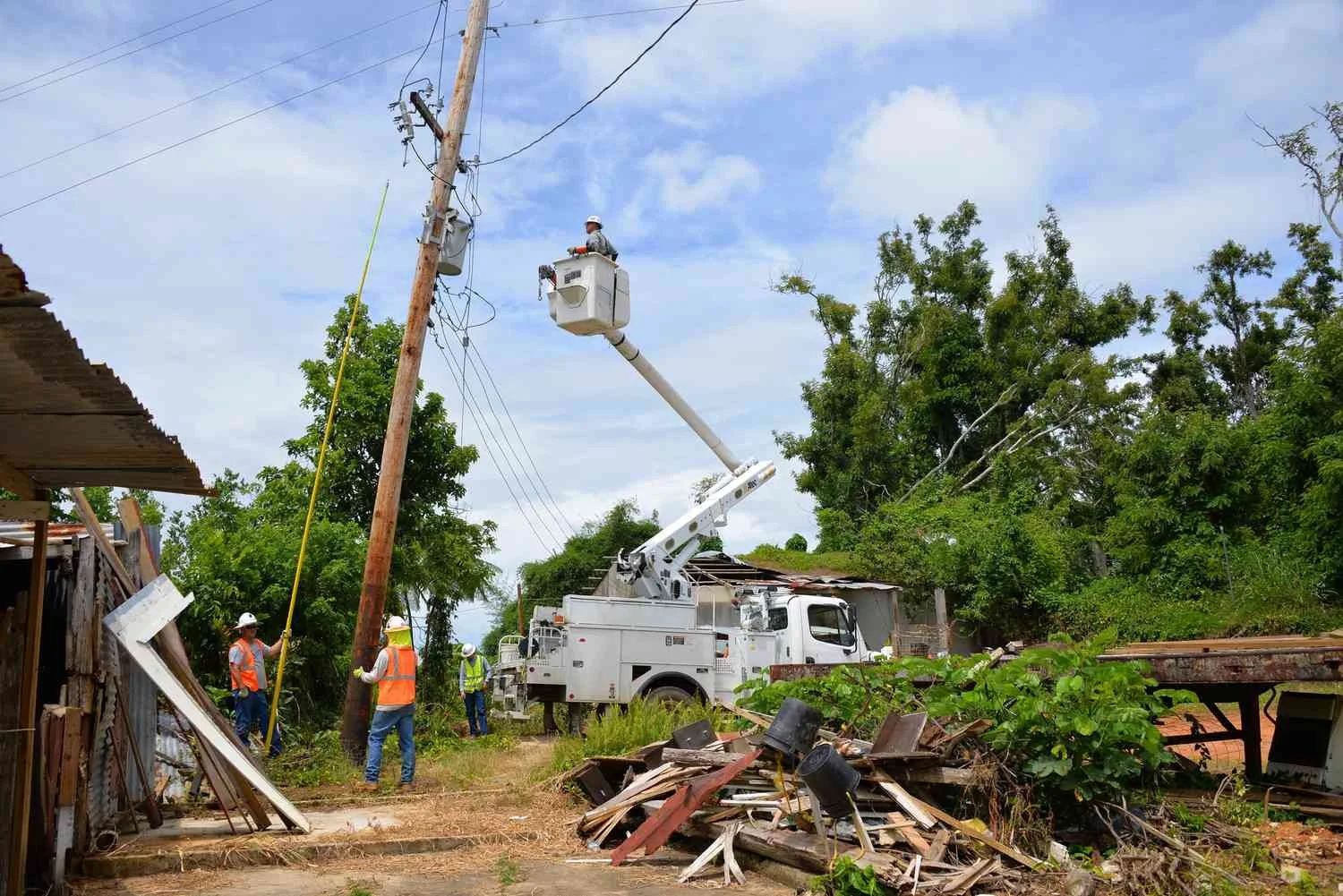
One finding stands out for Puerto Rico's business community: businesses, schools and hospitals that prepared before the storm, with emergency plans, diversified suppliers, dedicated risk mitigation funds and backup power, resumed operations more quickly afterward.

The draft findings also document how communication outages, blocked roads and extended power loss cut off access to medical care, and how schools served as shelters for more than two months on average, far beyond the 24 to 72 hours they are designed for.

NIST's final recommendations are expected to shape building codes, standards and emergency practices in Puerto Rico and across the U.S. The National Puerto Rican Chamber of Commerce will be following this closely and encourages our stakeholders to review the findings and take part in the public comment process when draft reports are released. Read the update below:

NPRCC Joins National Chamber Coalition Urging Congress to Lower Health Care Costs for Small Businesses

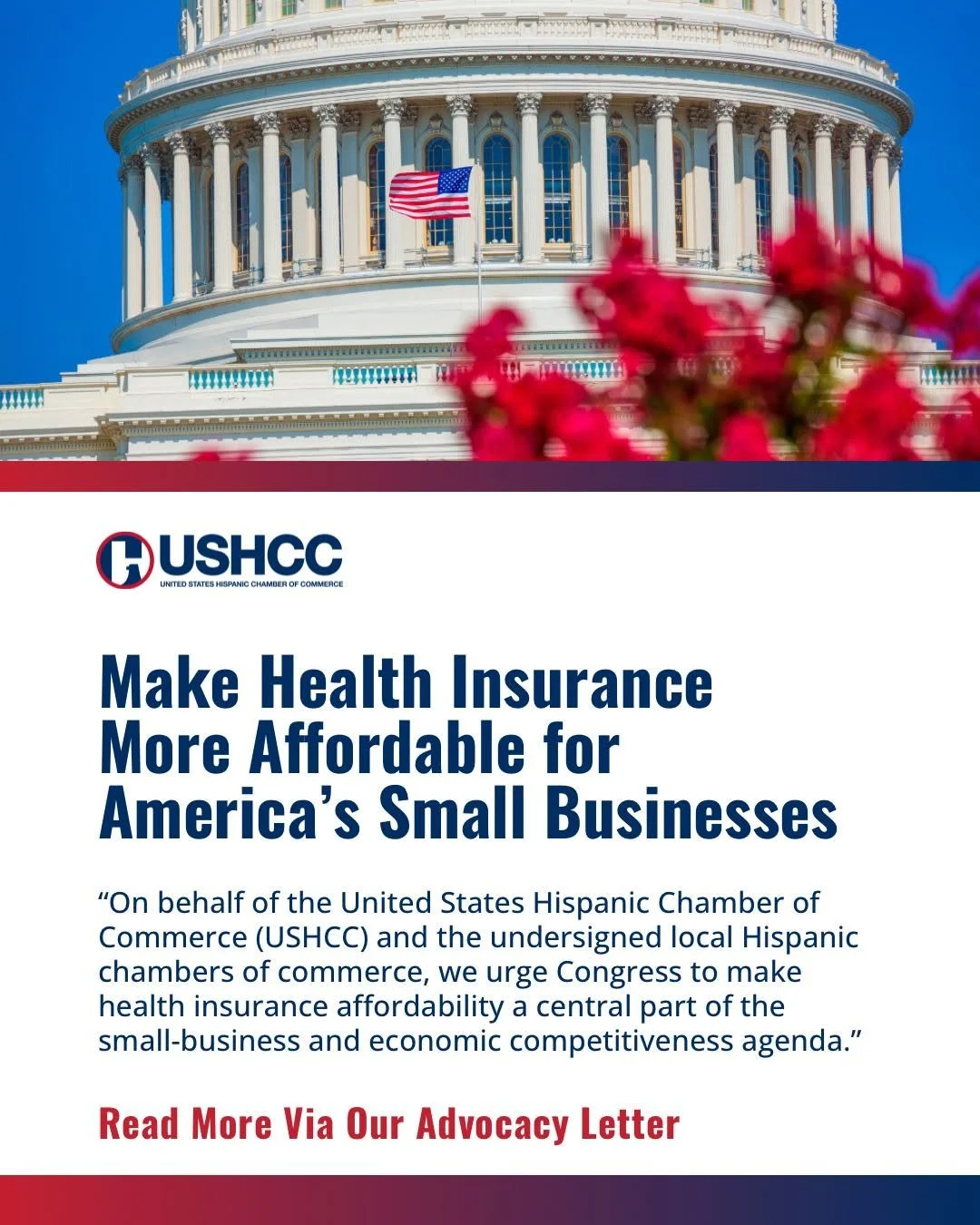
U.S. Hispanic Chamber of Commerce graphic: Make Health Insurance More Affordable for America's Small Businesses

The National Puerto Rican Chamber of Commerce (NPRCC) is proud to join our friends at the United States Hispanic Chamber of Commerce (USHCC) and more than 40 local chambers in urging Congress to expand competition, transparency, and choice in health care. Small businesses shouldn't be priced out of covering their workers. Between 2015 and 2025, average family premiums at firms with 10 to 199 employees climbed from about $17K to $26K. This is an economic competitiveness issue. Read the letter and learn more:

NPRCC Submits Comments on Senator Wyden's Health Coverage Request for Information

Washington, D.C. | October 1, 2026 - The National Puerto Rican Chamber of Commerce submitted comments to Senate Finance Committee Ranking Member Ron Wyden’s Request for Information on major reforms to health coverage in America.

Our stakeholders are mostly small employers and self-employed workers who buy coverage in the individual and small group markets, where rising costs and administrative complexity are felt very acutely. Our comments urged the Committee to:

  • Measure affordability by a family’s total exposure, including deductibles and out-of-pocket costs, not premiums alone

  • Restore Navigator funding and make enrollment help and materials readily available in Spanish

  • Restore premium tax credit recapture caps so self-employed workers with variable income don’t face surprise tax bills

  • Consider Puerto Rico and the territories explicitly in any coverage reform, rather than treating territorial policy as an afterthought

  • Limit prior authorization, require plain-language denial reasons, and strengthen network adequacy standards that account for language access

  • Increase transparency and accountability for PBMs, TPAs, and other middlemen, and examine hospital consolidation as an affordability issue for employers and families

A sustainable coverage system has to address the underlying prices, incentives, and market concentration that determine what employers and families ultimately pay.

Read our full comments

Learn more about the RFI: https://www.finance.senate.gov/ranking-members-news/wyden-seeks-input-on-major-reforms-to-health-coverage-in-america

Verizon: Build your future with AI Skills for America

We're proud to share that our partners at Verizon have launched Verizon AI Skills for America, a $70 million investment to prepare American workers and small businesses for the AI era.

The initiative combines $50 million in new funding with the $20 million Reskilling and Career Transition Fund. It gives job seekers, small biz owners, educators, and displaced workers free access to AI training from IBM, Google, Microsoft, Anthropic, Coursera, and OpenAI. Training like this can cost more than $700 per person per year.

Access alone isn't enough, so Verizon is pairing the content with hands-on local support from community organizations, including LISC, NACCE, and Goodwill Industries International. The program launches nationwide, with wrap-around services in select regional markets.

For our Puerto Rican and Latino communities and the small businesses we serve, free access to this kind of training closes a real gap. Learn more and register below:

NPRCC Endorses H.R. 10441 and Urges Congress to Give Puerto Rico the Time to Finish Its Recovery

Washington, D.C. | September 30, 2026 - The National Puerto Rican Chamber of Commerce (NPRCC) today endorsed H.R. 10441, the Puerto Rico Disaster Recovery Completion Act of 2026, and called on Congress to move the bill forward.

H.R. 10441, introduced by Resident Commissioner Pablo José Hernández with Ranking Member Bennie Thompson and Representative Nellie Pou, would give eligible FEMA-funded recovery projects in Puerto Rico until December 31, 2035, to be completed. It would also require FEMA to report to Congress each year on progress and delays. NPRCC is asking Members of Congress who represent large Puerto Rican communities to cosponsor the bill.

"Puerto Rico's recovery is not finished, and the businesses and families who have waited years for funded projects to be completed shouldn't lose that support because a deadline ran out," said Joel Berrocal, Executive Director of NPRCC. "H.R. 10441 gives these projects the time they need and requires FEMA to report to Congress every year on progress and delays. That is the right combination of patience and accountability. We urge every Member of Congress who represents a Puerto Rican community to cosponsor this bill and help see the recovery through."

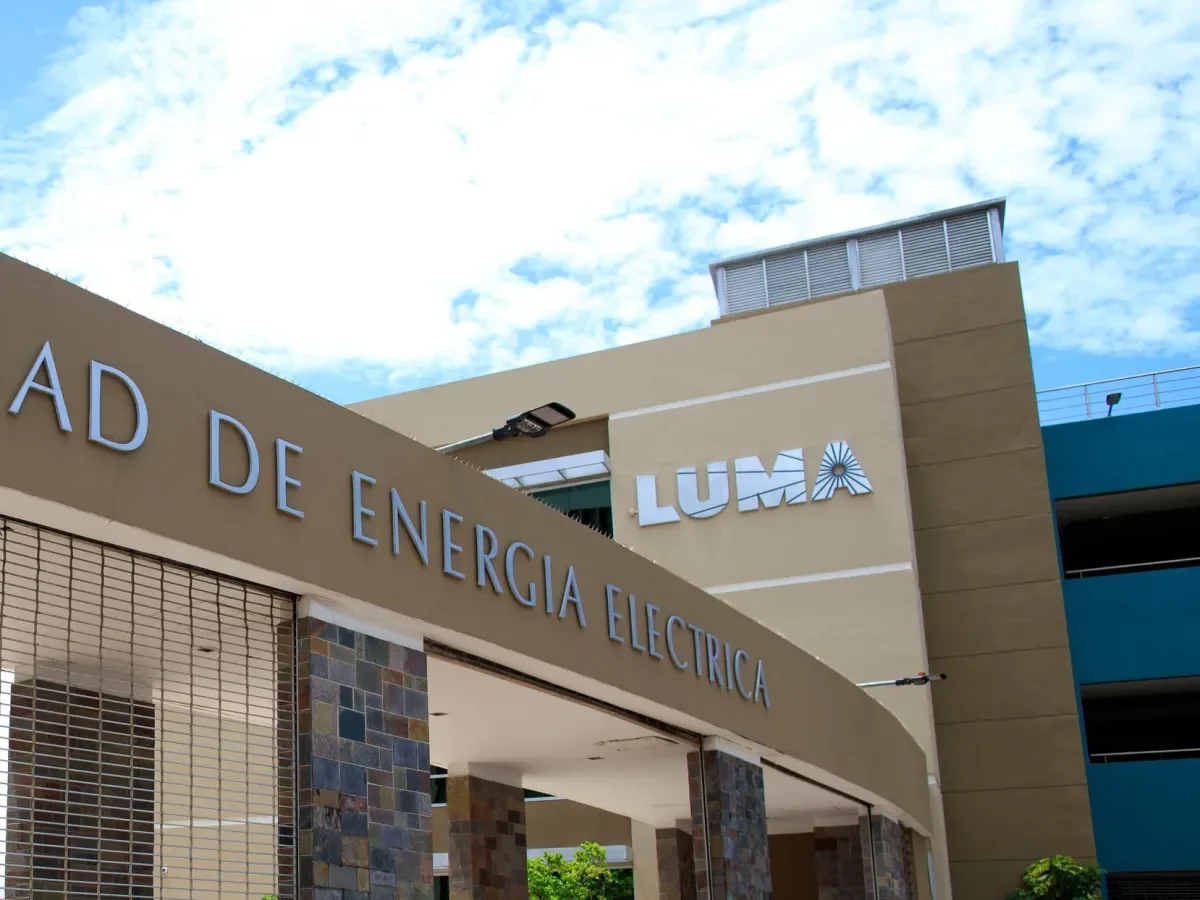
NPRCC files comments with Puerto Rico Energy Bureau on LUMA’s proposed fuel cost adjustment

Read More: Puerto Rico Energy Bureau Demands Clarity on Fuel Supply Chaos Threatening Q4 Rate Approvals

Today the National Puerto Rican Chamber of Commerce filed comments with the Puerto Rico Energy Bureau on LUMA's proposed fuel cost adjustment for October through December (Case No. NEPR-MI-2020-0001).

The proposal would raise the fuel charge by about 58 percent in a single quarter. Based on press reports of LUMA's filing, that would add roughly $72 a month for a small commercial customer and more than $5,500 a month for a mid-size business. For a neighborhood restaurant, a pharmacy, or a small manufacturer, electricity is a fixed cost of staying open, not a line item they can trim.

We asked the Bureau to:

  • Keep take-or-pay penalties for natural gas that was never delivered out of customer rates

  • Hold back replacement-fuel costs caused by supplier failures until liability is resolved, and credit any recoveries to customers

  • Open a separate public proceeding to decide who is responsible for those penalties

  • Consider phasing in any approved increase and require independent verification of fuel volumes and invoices

Puerto Rico's businesses understand that fuel prices follow world markets. They shouldn't pay twice for contract penalties and supply failures that have nothing to do with the energy they use.

English: NPRCC Comments - Case No. NEPR-MI-2020-0001

Español: Comentarios de NPRCC - Caso Núm. NEPR-MI-2020-0001

Congress Must Act on Puerto Rico’s Water Emergency

What We Asked Congress to Do About Puerto Rico’s Water Crisis


By Joel Berrocal

Reliable water is essential to every family, hospital, school and business. Yet Puerto Rico’s continuing water interruptions have forced residents and employers to plan their lives around a system that too often fails to deliver this basic necessity.

I recently met with Congressman Brian Fitzpatrick’s staff on behalf of the National Puerto Rican Chamber of Commerce (NPRCC) and our stakeholders, including members of Bucks County’s Puerto Rican community. We presented three specific federal actions and asked his office for a clear commitment on each.

First, we asked the congressman to publicly support the governor of Puerto Rico requesting a federal emergency declaration from the Trump administration and to join that call formally.

Under the Stafford Act, a governor generally must request an emergency declaration from the president. If approved, that declaration can make federal assistance available and authorize FEMA to coordinate additional federal support. That emergency authority is distinct from the compliance oversight associated with PRASA’s existing federal consent decree.

Puerto Rico has already spent too long treating recurring service failures as routine. A federal declaration would not repair every pipe or resolve every management problem. It would, however, provide a framework for an emergency response proportionate to the disruption families and businesses are experiencing.

Second, we asked Congressman Fitzpatrick to support a Government Accountability Office audit of the Puerto Rico Aqueduct and Sewer Authority. That review should examine the frequency and root causes of water interruptions, deterioration of PRASA infrastructure, use of federal funds allocated to date, and response times and coordination across FEMA, HUD and EPA.

The audit must also follow the money beyond PRASA. Since Hurricane Maria, Puerto Rico has struggled to convert large federal allocations into completed recovery projects. A 2024 GAO review found that less than 10 percent of more than $23 billion in available federal recovery funding had been spent at that time. Challenges included escalating costs, workforce shortages and supply-chain disruptions.

A new audit should determine how much disaster and infrastructure funding allocated to municipalities went unspent or expired, which communities were affected and why the money was not used. That deserves its own line of inquiry. An audit focused only on construction spending would miss administrative obstacles that can prevent an approved project from beginning.

Third, we asked whether the congressman would support funding an Army Corps of Engineers deployment through an upcoming appropriations bill. This request is not limited to short-term water distribution. Published reporting, citing a 2019 American Society of Civil Engineers assessment, found that nearly 60 percent of Puerto Rico’s treated water was lost through leaks, inaccurate meters and unauthorized consumption.

That level of system loss requires engineering capacity as well as emergency relief. Any Army Corps role would need a clearly defined mission, congressional funding and coordination with Puerto Rican authorities.

More federal funding alone is not enough. Municipalities often lack the personnel, English-language capacity and technical expertise needed to apply for grants, comply with federal requirements and administer complex projects. Any new appropriation should therefore include dedicated technical-assistance and capacity-building support.

We also raised the possibility of a permanent, bilingual FEMA and HUD liaison presence working directly with municipalities. A standing local resource could help communities navigate federal programs before deadlines pass and funding expires.

Accountability must extend to the public. Bucks County’s Puerto Rican community wants a transparent system reporting how much funding has been allocated, obligated and spent, which projects have been completed and why delayed projects remain stalled.

Our requests are specific: support the governor’s pursuit of an emergency declaration, initiate or support a comprehensive GAO audit and pursue funding for an appropriately scoped Army Corps deployment.

Puerto Rico needs an emergency response paired with the capacity, engineering support and transparent oversight required to deliver lasting results.

Joel Berrocal serves as the Executive Director of the National Puerto Rican Chamber of Commerce (NPRCC), a 501(c)3 non-profit organization created to support the development of entrepreneurship, innovation, and business expansion throughout Puerto Rico and the U.S. Mainland by providing a comprehensive resource for incubating business ideas, leveraging new markets, taking advantage of new opportunities, and advocating for policies that help our communities grow.

NPRCC Calls for Balanced Reforms in Bipartisan 340B Drug Pricing Program Effort

The National Puerto Rican Chamber of Commerce addresses ongoing bipartisan efforts to reform the 340B Drug Pricing Program. The Chamber highlights key priorities for modernizing the program, including increased transparency, protecting access for vulnerable patients, and ensuring Puerto Rico's unique healthcare landscape is fairly represented.

META Launches "America's Workforce Academy

American companies are stepping up to fill the gap, and they are doing it in a way that opens doors for the communities the NPRCC champions. One example comes from AEP member Meta. Yesterday, the company launched America's Workforce Academy, a no-cost program that trains people for the skilled trades jobs the AI economy demands. Participants get a free five-week bootcamp, including housing and airfare, and a guaranteed job offer with one of Meta's contractor partners once they finish.

Graduates earn industry-recognized credentials and certificates they can carry to any employer, in any sector. The skills taught (electrical, mechanical, plumbing, and fiber installation) are in demand far beyond data centers. The program launches in four states: Ohio, Louisiana, Texas, and Indiana. By removing the cost barrier, it opens this opportunity to the workers and small-business communities the NPRCC serves every day.

The National Urban League is a partner in this effort. Its President and CEO, Marc Morial, called it a bold, inclusive investment that removes cost barriers and guarantees employment, helping build a more equitable workforce for the future.

As highlighted in American Edge's 50-State AI Scorecard, built in partnership with TECNA, the states that attract AI investment and build strong talent pipelines are best positioned to capture the economic benefits of the AI economy.

Those interested in applying to America's Workforce Academy can apply here.

NPRCC & ALPFA Puerto Rico Announce Formal Partnership to Expand Professional Opportunities for Puerto Rican Professionals Across the United States

The National Puerto Rican Chamber of Commerce has entered a formal partnership with ALPFA Puerto Rico, the chapter of the largest Latino professional association in the United States, to ensure every NPRCC member continues to have a strong professional home as we evolve our organization.

As part of this transition, the NPRCC is moving away from our individual membership tier. Through our partnership with ALPFA Puerto Rico, current paying members are receiving a complimentary Gold membership for their first year with ALPFA. This gives members immediate access to ALPFA's national network of over 100,000 Latino business professionals, more than 45 chapters, and programming centered on advocacy, community, and economic opportunity.

ALPFA Puerto Rico leads this partnership with a specific focus on connecting Puerto Rican professionals on the mainland with opportunities on the island, which aligns directly with the mission our members have always supported.

Additionally, our members are invited to the El Momento Diaspora Summit on June 12 in San Juan, Puerto Rico, bringing together Puerto Rican professionals, investors, and entrepreneurs from across the diaspora. The event will be fully livestreamed and bilingual. Be sure to use discount code NPRCC at elmomento.eventbrite.com to register.

Questions about the transition? Contact us directly at info@nprchamber.org.

T-Mobile Announces Live Translation Exclusively for T-Mobile Members.

The NPRCC is proud to share an exciting update from our partners T-Mobile.

T-Mobile has introduced Live Translation — now in beta and rolling out soon. The feature offers real-time call translation in 80+ languages, powered directly through the network with no additional apps required. It will be available exclusively to T-Mobile members.

As an organization committed to breaking down barriers for the Puerto Rican business community, we see this as a meaningful tool for entrepreneurs, professionals, and families alike.

Learn More: Verizon Small Business Supplier Accelerator

As a valued partner of the NPRCC, Verizon is making a major investment in America’s small business community through its Small Business Supplier Accelerator program. Verizon has committed $5 billion over the next five years to help small businesses connect with procurement opportunities, mentorship, training, and large-scale corporate partnerships.

This is a strong opportunity for businesses in our network looking to grow, scale, and position themselves for supplier relationships with major corporations. The program includes:

• Supplier development resources and training
• Mentorship opportunities
• Faster payment terms and flexible solutions
• Access to future procurement opportunities

Learn more and explore eligibility requirements here:

Invitation: National Security & International Business Summit (April 29,2026)

The National Puerto Rican Chamber of Commerce is proud to partner with the Maryland Hispanic Chamber of Commerce, MBRT, and Forward Global for the upcoming National Security & International Business Summit taking place on April 29, 2026, from 11:00 AM to 4:00 PM at the Army Navy Club in Washington, DC.

This high-level convening will bring together business leaders, policymakers, and international experts to explore the intersection of national security, energy, and global commerce. Attendees will hear from distinguished speakers including Ambassador Ivonne Baki, with a special recognition for her leadership in advancing global diplomacy, and invited guest María Corina Machado, recognized for her advocacy for freedom and democratic rights in Venezuela.

The program will feature two key panels focused on national security’s impact on energy and strategies for growth through trade and commerce, alongside leaders from government and industry.

NPRCC members and partners are encouraged to attend and share this opportunity across their networks. A discounted registration rate of $145 is available using promo code MBRTmember, and a limited number of complimentary tickets are available with promo code MBRT26. To register, visit:

OPINION: Puerto Rico Can’t Afford Price Controls

Congress may soon inadvertently wreck Puerto Rico’s economy.

Lawmakers are considering imposing European-style price controls on prescription drugs. That would cause American biotech companies to lose billions in revenue and inevitably force them to slash research and development budgets, cancel plans to build new factories, and lay off workers. One recent study estimates that the price controls, if applied to all prescriptions filled through Medicare and Medicaid, would reduce biotech companies’ revenue by 49% and result in a nearly equivalent cut to research and development spending.

That would harm the U.S. economy in general. America’s biotech industry is one of the country’s largest employers and most productive industries. It supports roughly 10 million jobs and contributes over $3 trillion to annual economic output.

But price controls would hammer Puerto Rico in particular. The island is one of the most specialized pharmaceutical and medical device manufacturing hubs in the United States. In fact, it’s the leading exporter of pharmaceutical products within the U.S. customs system. Pharmaceuticals alone account for nearly 75% of the island’s total exports and contribute 30% to the island’s GDP.

Nearly 87,000 Puerto Ricans work directly or indirectly in the bioscience industries, earning wages well above the private-sector average. Biotech companies from around the world rely on this highly skilled workforce to operate more than 50 FDA-approved pharmaceutical plants and bring “Made in USA” treatments to patients.

At a time when Washington is urging companies to reshore critical supply chains and reduce dependence on geopolitical competitors, Puerto Rico offers a uniquely attractive solution to companies thinking about repatriating their operations. The island provides companies with regulatory certainty. And since Puerto Rico is a U.S. territory, companies don’t need to worry about tariffs.

But price controls would more than cancel out these advantages and force companies to cancel expansion plans, whether in Puerto Rico or on the mainland.

Fortunately, there are other ways for lawmakers to make medicines more affordable. Middlemen in the drug supply chain, such as pharmacy benefit managers and insurers, currently capture a far larger share of spending than in the European countries that lawmakers envy for their low drug prices. Today, more than half of every dollar spent on brand-name medicines goes to these middlemen.

In other words, Congress could make drugs cheaper for ordinary patients without needing to impose economically ruinous price controls by cutting these middlemen down to size. Lawmakers could require that the discounts drug companies already provide to middlemen be passed directly to patients at the point of sale. They could also increase transparency around how pharmacy benefit managers are compensated.

America’s position at the forefront of biopharmaceutical innovation depends on policies that encourage domestic investment and maintain a predictable regulatory and economic environment. Puerto Rico has spent decades building exactly that environment.

Congress now faces a consequential choice. It can strengthen a U.S. manufacturing base that produces critical medicines for American patients. Or it can import foreign price controls that risk pushing future investment and high-skilled jobs elsewhere.

This op-ed was also republished by MSN and the Washington Examiner.

Joel Berrocal serves as the Executive Director of The National Puerto Rican Chamber of Commerce (NPRCC.) The NPRCC is a 501(c)3 non-profit organization created to support the development of entrepreneurship, innovation, and business expansion throughout Puerto Rico and the U.S. Mainland by providing a comprehensive resource for incubating business ideas, leveraging new markets, taking advantage of new opportunities, and advocating for policies that help our communities grow.
2026 WIPO Global Awards Now Open!

Apply Now: WIPO Global Awards 2026 open for startups and SMEs worldwide

Whether you protect your brand with trademarks, copyright your creative works, or hold patents on inventions, this is your chance to be recognized on a global stage.

The World Intellectual Property Organization (WIPO), the UN agency for Innovation and Creativity, has opened applications for the WIPO Global Awards 2026, a competition celebrating startups and SMEs that use IP to grow their business and generate positive impact.

Entrepreneurs from all industries and all regions of the world can apply between 15 January and 31 March 2026. Applications are accepted in Arabic, Chinese, English, French, Spanish and Russian.

Why apply?

  • Gain international recognition through the WIPO-UN network system

  • Access a customized 6-month mentorship on IP strategy, commercialization, and business growth

  • Connect with investors, corporates, institutions, and business hubs worldwide

  • Attend the Awards Ceremony in Geneva during the WIPO Assemblies (194 countries represented)

In 2026, 11 companies will be selected: 10 winners across all economic sectors, 1 Thematic Prize in Sports, and 2 Special Mentions (Best Woman Entrepreneur and Best Youth Entrepreneur).

OPINION: Housing Affordability in Puerto Rico: A Cultural Responsibility for Mobility Leaders

We're proud to highlight a new thought piece from one of our members on an issue with growing importance for Puerto Rico’s economic future. In the article “Housing Affordability in Puerto Rico: A Cultural Responsibility for Mobility Leaders,” the Marisol Datiz-Stevens examines how rising housing costs are shaping workforce mobility, corporate relocation decisions, and the long term stability of local communities. As companies, policymakers, and business leaders think about investment and talent movement on the island, housing affordability is becoming a central part of the conversation. Use the link below to read the full article:

The National Puerto Rican Chamber of Commerce Granted Observer Status at World Intellectual Property Organization (WIPO)

Washington, D.C. | December 5th, 2025 - The National Puerto Rican Chamber of Commerce (NPRCC) has been granted Observer Status with the World Intellectual Property Organization (WIPO). This recognition adds an important international dimension to our work and strengthens our ability to support Puerto Rican entrepreneurs, businesses, and partners as they navigate the global intellectual property landscape.

With this designation, NPRCC can attend WIPO assemblies, committee meetings, and other official sessions where intellectual property policies are discussed and shaped. Observers do not vote, but they can follow developments closely, contribute perspectives, and engage with the organizations and experts who help guide the direction of global IP systems. This access keeps our stakeholders informed on trends in patents, trademarks, copyrights, technology transfer, creative industries, and other areas central to today’s economy.

WIPO offers a range of services that help innovators and creators protect their work across borders, along with programs focused on emerging technologies, global IP data, and capacity building for businesses and governments. By taking part in these conversations, NPRCC will be able to strengthen the guidance we offer our stakeholders and expand the educational resources we provide on IP protection, registration, and enforcement. Our observer role also opens the door to networking and collaboration with both public and private sector partners, giving Puerto Rican companies greater visibility and a stronger voice in matters that affect their growth.

“Gaining Observer Status at WIPO is a significant milestone for us. It gives our stakeholders a seat at the table where global IP issues are addressed and opens up resources that can help them protect and grow their ideas,” said NPRCC Executive Director Joel Berrocal.

In the months ahead, NPRCC will take part in WIPO committees and assemblies, host briefings and events, and explore opportunities to bring more Puerto Rican professionals into these conversations under our banner. This role also positions us to engage government partners and the private sector as we look at long term strategies that could strengthen Puerto Rico’s presence in global innovation and intellectual property policy.

NPRCC remains committed to supporting Puerto Rican businesses through advocacy, education, and practical resources. This new relationship with WIPO is another step forward in ensuring that Puerto Rican creators, innovators, and entrepreneurs are represented in the international arenas where ideas, technology, and commerce intersect.

About NPRCC

The National Puerto Rican Chamber of Commerce (NPRCC) is a 501(c)3 non-profit organization created to support the development of entrepreneurship, innovation, and business expansion throughout Puerto Rico and the U.S. Mainland by providing a comprehensive resource for incubating business ideas, leveraging new markets, taking advantage of new opportunities, and advocating for policies that help our communities grow. We are the bridge between Puerto Rico and the U.S.
About WIPO

The World Intellectual Property Organization (WIPO) is the United Nations agency that serves innovators and creators around the world. It provides services that help them protect and promote their intellectual property across borders and serves as a forum for addressing IP issues that shape the global economy. Its data and information help guide decision makers, and its programs and technical support ensure that the benefits of IP reach people everywhere.

###

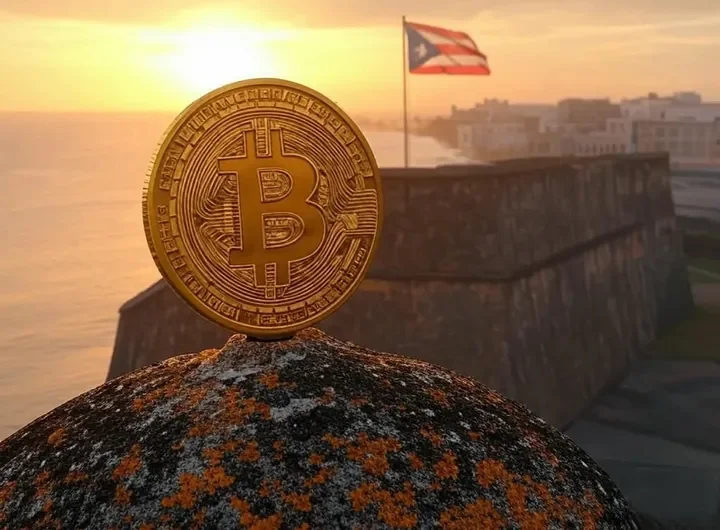
OPINION: Puerto Rico’s Golden Opportunity: Why They Should Embrace a Strategic Bitcoin Reserve

Puerto Rico stands at a crossroads. The island has weathered a debt crisis, hurricanes, and economic stagnation, yet its resilience and entrepreneurial spirit endure. Now, a bold idea is gaining traction globally, one that could transform its financial future: a Strategic Bitcoin Reserve (SBR). There is belief this is not just an opportunity but a necessity for Puerto Rico to secure its place in the 21st-century economy.

More than 28 states have introduced proposals that would allow their treasuries to allocate a portion of public funds to Bitcoin. Of these, 15 bills have advanced to the House of Representatives, where they are now undergoing committee review to shape their legal frameworks. Puerto Rico has an opportunity to lead in this movement, setting a precedent for innovative financial policy in the U.S. and beyond.

Imagine Puerto Rico holding a modest reserve of 3,000 Bitcoin, acquired at today’s prices. If Bitcoin’s value climbs as it has historically, say, from $80,000 to $200,000 per coin by 2030, that’s a $360 million windfall. This isn’t speculative fantasy; it’s a calculated move based on a decade of data. That money could rebuild schools, repair roads, or chip away at the island’s $70 billion debt, real solutions for real challenges.

The benefits go beyond balance sheets. Puerto Rico’s unique status as a U.S. territory, paired with Act 60’s tax incentives, already attracts crypto investors. An SBR would amplify this, signaling to the world that Puerto Rico is open for business in the digital age. Blockchain startups, tech talent, and global capital would flow to San Juan, creating jobs and revitalizing its economy. Puerto Rico could become the Caribbean’s bridge between traditional U.S. finance and the frontier of decentralized assets.

Critics will point to Bitcoin’s volatility, and they’re not wrong to be cautious. Prices swing, sometimes sharply. But a long-term strategy, holding for 10 or 20 years, smooths out those bumps. Look at El Salvador: they’ve bought and held through dips, betting on the future. Puerto Rico can do the same, starting small with 1,000 or 5,000 BTC, funded through budget allocations or innovative tools such as a “Puerto Rico Bitcoin Bond.”

This isn’t just for the wealthy. Bitcoin can empower our communities. An SBR could fund education programs, teaching Boricuas how to use digital wallets, or expand a crypto ATM network. Imagine a fisherman in Loíza paying a supplier with Bitcoin from his phone, or a tourism board accepting it at El Yunque. Financial inclusion, so elusive after Maria, becomes tangible.

Of course, challenges loom. Federal regulations, as a U.S. territory, will require deft navigation. Security demands ironclad custody, think multi-signature wallets, not dusty vaults. And we must address skepticism from those who see crypto as a “colonizer’s game.” Transparency is key: every dollar of profit must benefit Puerto Ricans, not just outsiders. The NPRCC stands ready to advocate for a plan that puts our people first.

Picture this future: By 2030, Puerto Rico’s SBR isn’t just a nest egg, it’s a catalyst. Local businesses opt into it, holding their own Bitcoin under a government-backed umbrella. Tourists pay with digital wallets at beaches. A new Digital Asset Authority oversees it all, ensuring accountability. Puerto Rico not just surviving; but thriving, a model for the world.

Puerto Rico has always punched above its weight. An SBR could be its next big swing, a chance to turn adversity into advantage. It’s ambitious, yes, but isn’t that Boricuas are? Let’s seize this moment. The island deserves nothing less.

Joel Berrocal serves as the Executive Director of The National Puerto Rican Chamber of Commerce (NPRCC.) The NPRCC is a 501(c)3 non-profit organization created to support the development of entrepreneurship, innovation, and business expansion throughout Puerto Rico and the U.S. Mainland by providing a comprehensive resource for incubating business ideas, leveraging new markets, taking advantage of new opportunities, and advocating for policies that help our communities grow.